
What ABA Therapy Looks Like Day-to-Day: A Parent-Friendly Breakdown
Starting ABA therapy is a big step for your family, and it’s completely natural to wonder what actually happens during a typical day. What will your child be doing? Will the sessions feel structured, playful, supportive? How will progress be monitored?
Let’s walk through it together.
ABA therapy isn’t rigid or overwhelming — it’s intentional, responsive, and built around your child’s strengths. A good ABA program feels like a mix of learning, play, communication practice, and everyday wins. Your child should feel safe, supported, and celebrated.
Here’s what a day in ABA really looks like.
A Clear, Calming Routine Built Around Your Child
Every child receives their own individualized treatment plan. That means no two days look exactly the same — and that’s a good thing. Therapy adjusts based on your child’s energy, motivation, needs, and goals for the day.
ABA sessions can take place in your home, in a clinic, or out in the community. Regardless of the setting, the purpose is the same: help your child build meaningful skills that support communication, independence, social connection, and emotional regulation.
A Step-by-Step Look at a Typical ABA Session
1. Warm-Up & Relationship Building
We always begin with connection.
Therapists greet your child, check in with you, and ease into the session through familiar routines or favorite activities. This allows your child to settle in, get comfortable, and feel ready to learn.
This time might include:
-
Playing with a preferred toy
-
Drawing or reading
-
A simple conversation
-
Movement or sensory activities
The goal is to start the session with joy and trust.
2. Reviewing the Day’s Goals
Before diving in, the therapist reviews the goals planned for the session. These are always tailored to your child and may include:
-
Communication skills
-
Daily living routines
-
Social interaction
-
Emotional regulation
-
School readiness
-
Safety and independence
Goals rotate to keep learning engaging and aligned with your child’s current progress.
3. Play-Based Learning
Here’s where ABA looks a lot like… well, childhood.
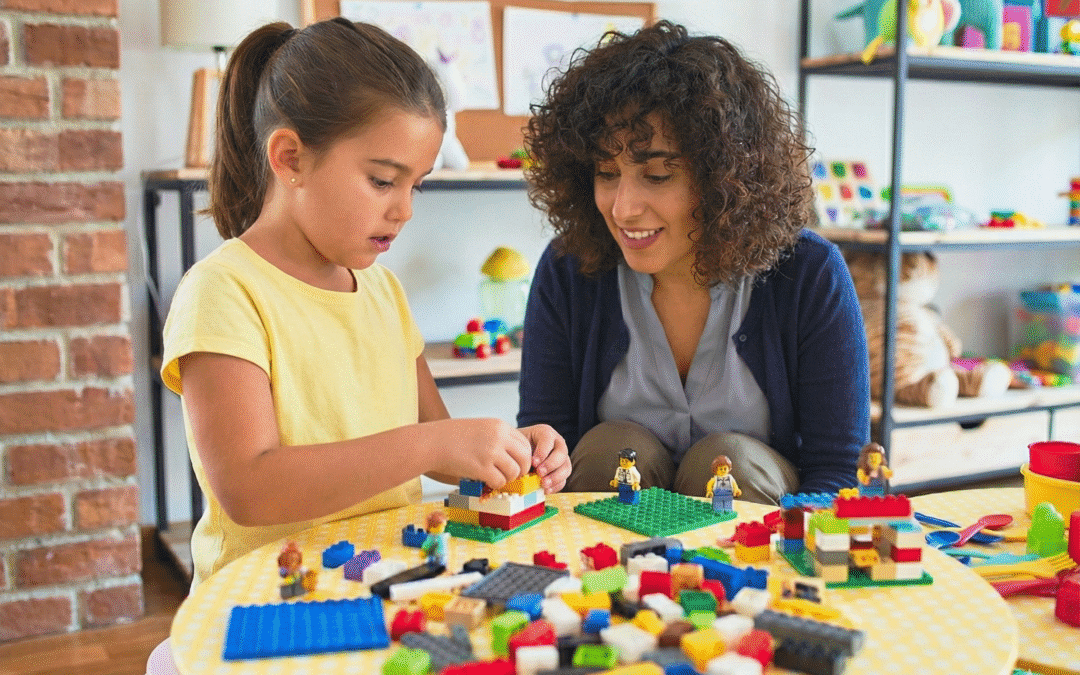
Therapists embed teaching moments into natural play. For example:
-
Practicing turn-taking during a board game
-
Encouraging communication during snack time
-
Supporting problem-solving during a puzzle or building activity
Your child learns best when they feel safe and interested — so play is not a break from learning… it is learning.
4. Short, Structured Teaching Moments
When appropriate, the therapist may shift into more structured skill practice. These moments are brief, positive, and completely tailored to your child.
This might look like:
-
Practicing a new communication request
-
Learning a simple matching or sorting skill
-
Building a routine step-by-step
The focus is always on confidence, clarity, and celebrating success.
5. Learning in the Natural Environment
This is where skills become real.
Natural Environment Teaching (NET) happens during everyday moments — transitions, mealtime, play, outdoor activities, or simple routines. For example:
-
Practicing asking for help during art
-
Following directions at a playground
-
Using coping strategies during a challenging moment
This is how skills generalize from “therapy time” into real life.
6. Behavior Support & Emotional Regulation
Your child is supported throughout the session with gentle, assent-focused strategies that respect their autonomy. This includes:
-
Visual supports
-
Modeling
-
Offering choices
-
Reinforcement
-
Teaching coping strategies
The goal is never to force compliance. It’s to help your child communicate their needs and navigate challenges in healthier, more confident ways.
7. Breaks, Movement, and Sensory Time
Breaks are essential.
Therapists build movement, sensory breaks, or quiet time into sessions to help your child stay regulated. Breaks are not a sign of “less learning” — they’re part of supporting your child in a compassionate, developmentally appropriate way.
8. Data Collection (Explained Simply)
Throughout the session, the therapist gathers small pieces of information to measure progress. This might include:
-
How often a skill was used
-
How independent your child was
-
What strategies were successful
Data helps the BCBA adjust the treatment plan so your child continues to grow in meaningful, sustainable ways. It does not disrupt the session — it happens smoothly, in the background.
9. End-of-Session Recap
Before leaving, your therapist will take a few minutes to review the session with you. They’ll share:
-
What went well
-
New skills your child practiced
-
Any challenges
-
Suggestions for daily routines
-
What’s planned for the next session
Our goal is simple: keep you informed, supported, and confident in your child’s progress.
Why Our Approach Matters
A great ABA program feels like partnership — with your child, with your family, and with their broader support team. Our therapists are trained to provide:
-
Warm, play-based instruction
-
Respect for your child’s communication and autonomy
-
Strategies that fit naturally into your routines
-
Encouragement every step of the way
Your child should feel empowered, capable, and understood. That’s the heart of our work.
If You’re Ready to Learn More
Every child’s journey looks different, and we’re here to walk with you.
If you’d like to talk through what ABA therapy could look like for your child, reach out anytime. We’re here to help you feel informed, supported, and confident as you take the next step.